Navigating the Steel Supply Chain: Trends, Challenges, and Innovations in the Metal Industry
In the ever-evolving landscape of the steel supply chain, the future is filled with both challenges and exciting innovations. As we unpack the key trends shaping the steel supply industry, it’s essential to consider not just the raw steel products themselves, but also the intricate web of manufacturing processes and supply chain management that ensures these materials reach their intended destinations. Have you ever wondered how global events can ripple through the steel market, affecting everything from production rates to inventory management? Let’s explore that together.
One of the most significant trends impacting the steel supply chain today is the growing need for sustainability. The steel industry is under increasing pressure to reduce its environmental footprint, which has sparked a surge in recycling efforts, particularly in the scrap metal sector. According to recent research on steel, the shift towards utilizing more recycled materials not only conserves resources but also influences steel market trends. Companies are now looking to balance traditional manufacturing materials with recycled metal resources—this is just one example of how the future of steel distribution is being reimagined.
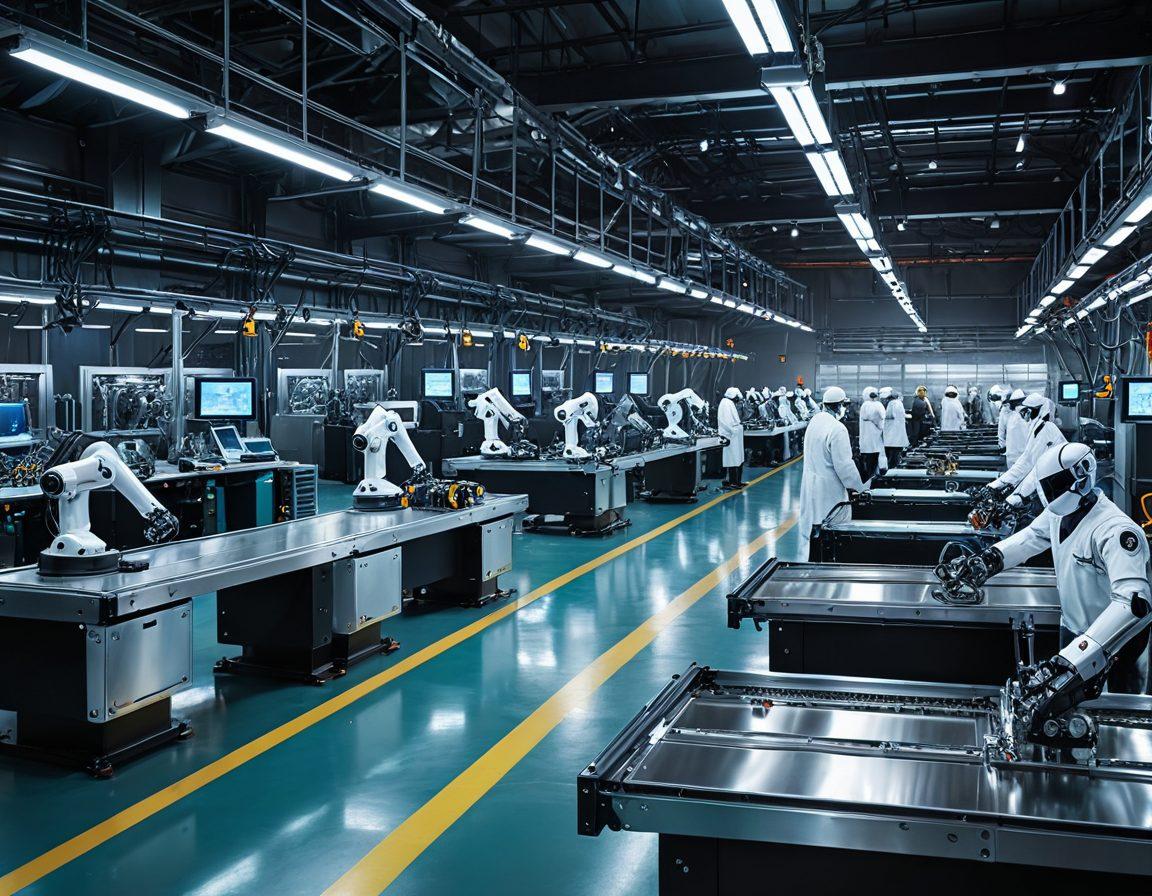
Technological advancements are also playing a crucial role in shaping the future of the steel supply chain. Automation and smart manufacturing processes are transforming operations, leading to increased efficiency and reduced costs. But what does this mean for the workforce? The narrative isn’t just about machines taking jobs; it’s about upskilling workers to manage these advanced systems. As the metal industry embraces innovative technologies, we must ask ourselves: How can we prepare the next generation for these evolving roles within the manufacturing industry?
When we consider inventory management, it's clear that real-time data and analytics are becoming indispensable tools for steel trades. Businesses leveraging these technologies can anticipate demand fluctuations and manage their metal stock with a level of precision that was previously unimaginable. This proactive approach not only mitigates the risk of overstocking or stock shortages but also enhances the rapid distribution of steel products to meet customer needs—talk about a win-win!
Lastly, it’s worth highlighting the international dynamics affecting the steel supply chain. Recent events in global geopolitics, trade negotiations, and even fluctuations in the stock market can disrupt the flow of metals across borders. The interconnectedness of our world means that local steel materials can be influenced by events happening thousands of miles away. As we navigate these complexities, it’s crucial for businesses to stay informed and agile in their operations, ensuring they remain competitive in an ever-changing environment. The future of the metal blog lies in sharing these insights and equipping stakeholders with the knowledge to thrive in this dynamic steel supply landscape.
Overcoming Obstacles: Tackling Challenges in Steel Distribution and Inventory Management
The steel industry is a backbone of modern civilization, but it comes with its share of challenges, especially in distribution and inventory management. Steel supply intricacies can lead to costly delays and inefficiencies in the manufacturing processes. Have you ever wondered just how the giants of the metal industry navigate these turbulent waters? In this blog, we will delve into the obstacles that professionals in the steel sector face and discuss actionable solutions to tackle these hurdles effectively.
Imagine a scenario where a manufacturer, ready to churn out a new product line, discovers that their steel materials are stuck in transit due to a supply chain disruption. This not only halts production but can also jeopardize their commitment to customers. The steel distribution landscape is fraught with such challenges, largely driven by global market fluctuations and the ever-concerning scrap metal stream. As steel market trends continue to evolve, those in the manufacturing industry must stay agile to avoid the pitfalls that inefficient inventory management can pose. How can one overcome these issues and maintain a smooth supply of steel products?
Effective inventory management is paramount in ensuring that steel trades operate seamlessly. By leveraging advanced data analytics and automation, companies can predict stock requirements more accurately and manage metal resources efficiently. For instance, research on steel supply trends—such as demand forecasts and historical data—can help businesses develop a proactive inventory strategy. When was the last time you checked how your metal stock management could be optimized?
Collaboration is another crucial aspect in overcoming challenges in steel distribution. By forming partnerships with suppliers and stakeholders within the metal industry, businesses can enhance their inventory visibility and coordinate their efforts better. Moreover, adopting a flexible approach to the supply chain can allow companies to pivot more easily in response to market changes. As the landscape of the steel supply continues to shift, the importance of forging strong relationships within the metal community cannot be overstated.
Lastly, embracing innovations in technology is a ticket to success in tackling the challenges faced in the steel supply chain. Implementing robust supply chain management solutions that offer real-time tracking, predictive analytics, and improved communication channels can help companies stay ahead of the curve. With changes in the stock market influencing supply and demand, a proactive technological approach could mean the difference between thriving and simply surviving in the competitive metal manufacturing arena. So, are you ready to tackle the steel supply chain challenges head-on?
Innovative Solutions: Transforming the Metal Industry Through Advanced Manufacturing Processes
In the dynamic world of the metal industry, navigating the steel supply chain isn’t just a matter of logistics; it’s an art form cultivated through innovative solutions and advanced manufacturing processes. Have you ever wondered how certain companies in the steel industry manage to thrive even in the face of adversity? Their secret often lies in their ability to adapt, innovate, and transform their operations. As we embark on this journey through the intricacies of the steel supply chain, we will uncover the revolutionary methods that are reshaping the landscape of metal manufacturing and offering real solutions to age-old challenges, from inventory management to steel distribution.
Steel products have long been a staple in the construction sector, but with the increasing demand for efficiency and sustainability, advanced manufacturing processes have taken center stage. Imagine a world where the steel trades are not just mere transactions but meticulously orchestrated flows of high-quality steel materials that are delivered just in time. This has been made possible thanks to innovations such as automation, 3D printing, and smarter inventory management systems. As steel market trends evolve, companies that invest in these technologies are not just keeping up; they're outpacing their competition and carving a path to success.
One of the most intriguing aspects of this revolution in the metal industry is the role of scrap metal recycling. Did you know that nearly 75% of the steel produced today comes from recycled scrap metal? This has transformed our approach to manufacturing materials, allowing suppliers to harness the power of sustainable practices without sacrificing quality. The integration of scrap metal into the steel supply not only supports greener methodologies but also contributes significantly to cost efficiency in the supply chain management process. It raises a critical question: how can other industries learn from the metal industry's commitment to sustainability?
Furthermore, a major hurdle that manufacturers continue to encounter is the complexity of sourcing quality steel materials amidst fluctuating prices in the stock market. It’s essential for businesses in the steel supply chain to maintain a keen eye on market trends while developing robust strategies to acquire the necessary metal resources without overstretching their budgets. Engaging in research on steel and the broader metal industry can provide invaluable insights that help navigate these turbulent waters. Staying informed allows manufacturers to prepare for price shifts and manage inventory levels, ensuring they can meet customer demands without experiencing shortfalls.
Lastly, as we conclude our exploration of innovative solutions within the metal manufacturing sector, it’s clear that adaptation is key. The usage of advanced manufacturing processes doesn’t just improve efficiency; it reinvents the way we think about the entire metal supply chain. As the steel industry continues to evolve, it’s important for all stakeholders — from suppliers to consumers — to remain proactive. How can we, as individuals and organizations, harness the latest technologies and methods to ensure we’re part of the thriving future of the metal industry? The journey is fascinating, and the possibilities are endless.